Monument Cross Tonduff, a site of loss,
a place to remember, a time to never repeat

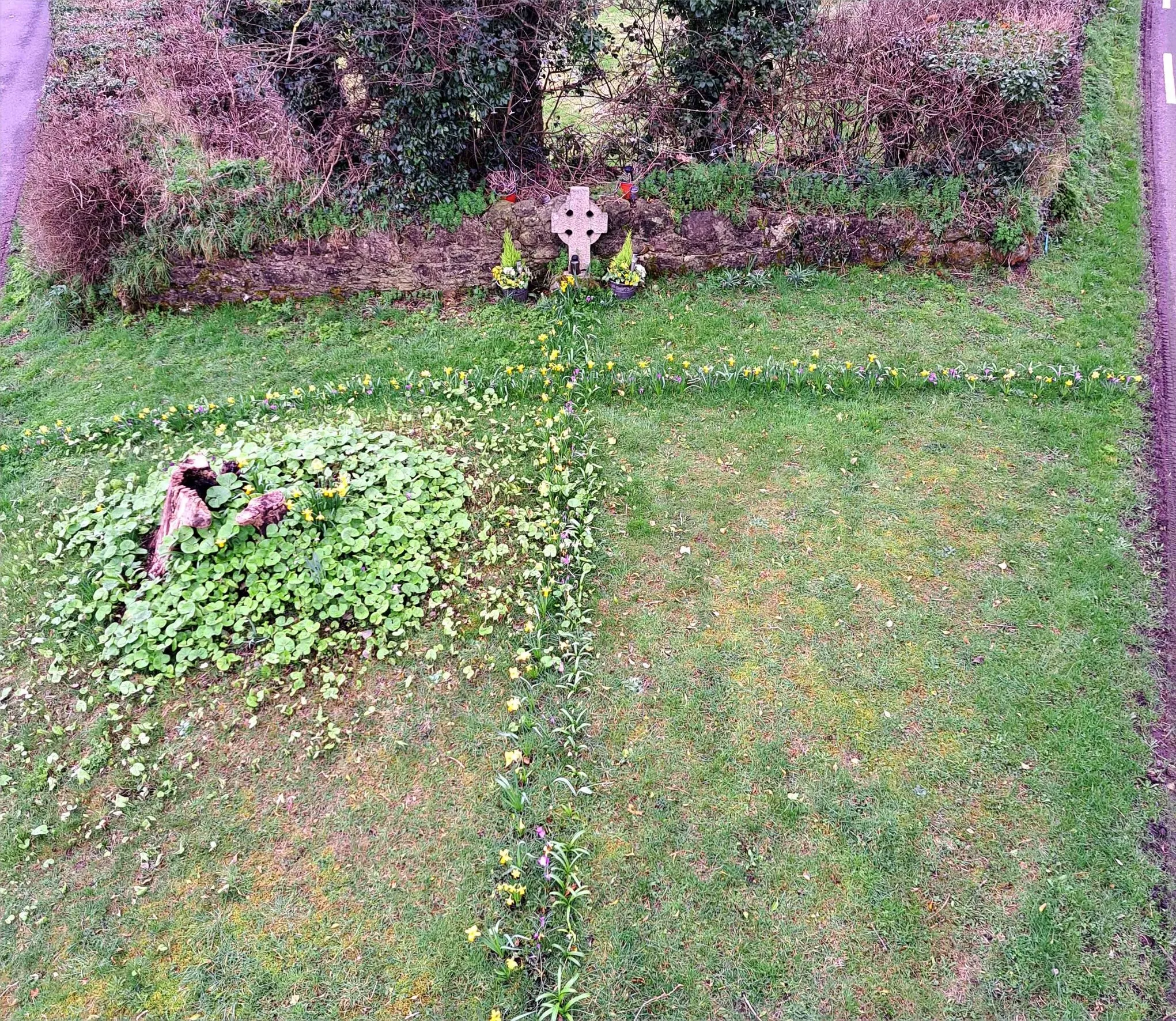
In the town of Abbeyleix, at the fork in the road at Tonduff, known as Monument Cross (or Monument Bush), lies a poignant piece of history. This site, a Cillín, was once the solemn resting place for unbaptised babies. The selection of such burial plots was not arbitrary; they were chosen for their unique characteristics. In the case of the Tonduff Cillíní, its triangular shape and strategic location on the border of Ballytarsna and Tonduff townlands made it an ideal, yet secretive, spot.
According to Irish Folklore, the triangular field represented the Holy Trinity. Locals, however, believed that such a shape confined ghosts, ensuring they couldn’t escape. This blend of religious and spiritual beliefs underscores the careful consideration given to the site's selection. Similar Cillíní across the country were often situated near fairy Ringforts or on townland borders, further emphasising the significance attached to these locations.
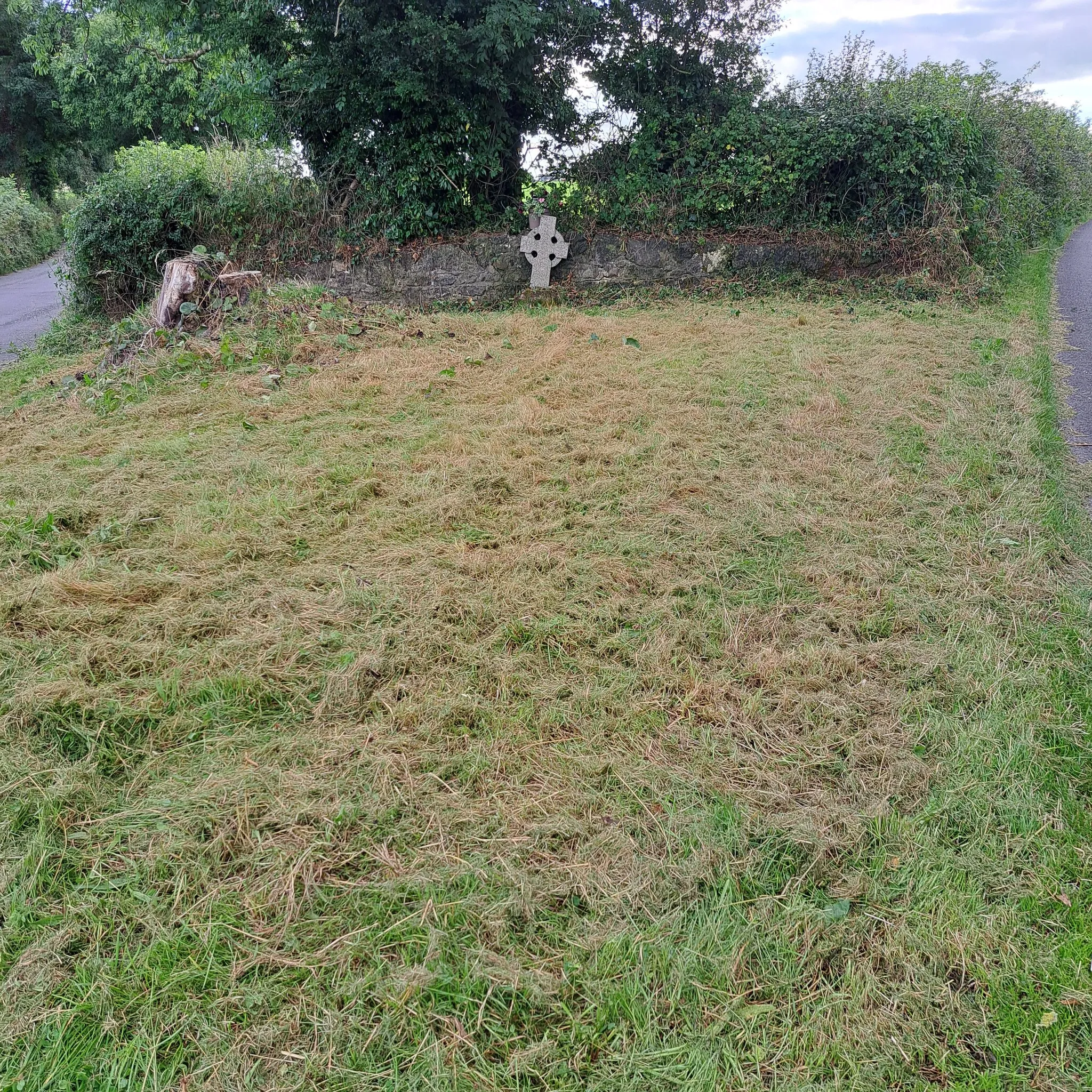
The Abbeyleix Cillín's history is marked by a small, unscripted Celtic stone cross, erected by local people around the year 2000. For many years, Frank Lalor and his wife Anne, from Ballytarsna, diligently maintained the site, ensuring it remained clean and tidy. However, since Frank's passing in 2016, and Anne being no-longer able to care for the site on her own it had fallen into disrepair. The once-manicured plot became marred by rubbish and neglect, a stark contrast to its former state. A call went out for local volunteers to step forward and continue the upkeep, thankfully that call was answered and the dignity of this sacred place has been restored.
The history of Tonduff is woven with sorrow. For generations, grieving parents were told that unbaptised babies could not enter heaven and were not entitled to Christian burial. Many buried their children in secret, under cover of night, without rites or ceremony.
One local woman shared that her baby, lost at 12 weeks, was placed by the hospital at the foot of a stranger’s coffin. Another family was forced to bury their infant daughter outside cemetery walls. These heartbreaking stories remind us of a system that compounded grief with shame.
The Tonduff Cillin once featured a 200 year old native Irish Ash tree and a large white thorn bush, both considered sacred in folklore. When these trees were cut down despite local warnings misfortune followed. Locals believe this desecration marked a spiritual disturbance. Their loss is a symbol of how cultural reverence for such sites has been forgotten or ignored.
For many, the act of burying a child in the dead of night became an unspoken norm. These secret rituals were not just acts of grief they were forced by religious doctrine. Some babies were even buried in mass graves, or in the coffins of strangers, their names never spoken. Though this practice has ceased, its emotional toll endures.
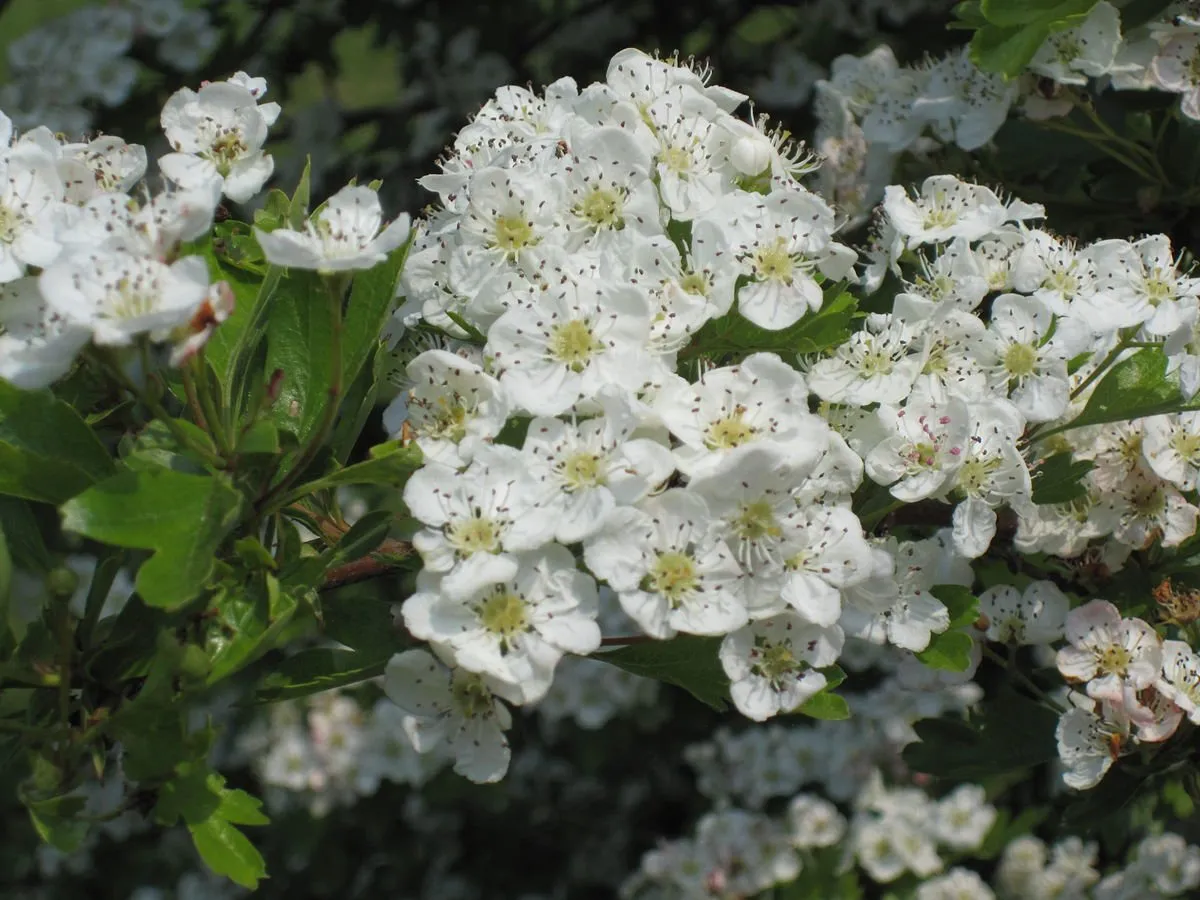
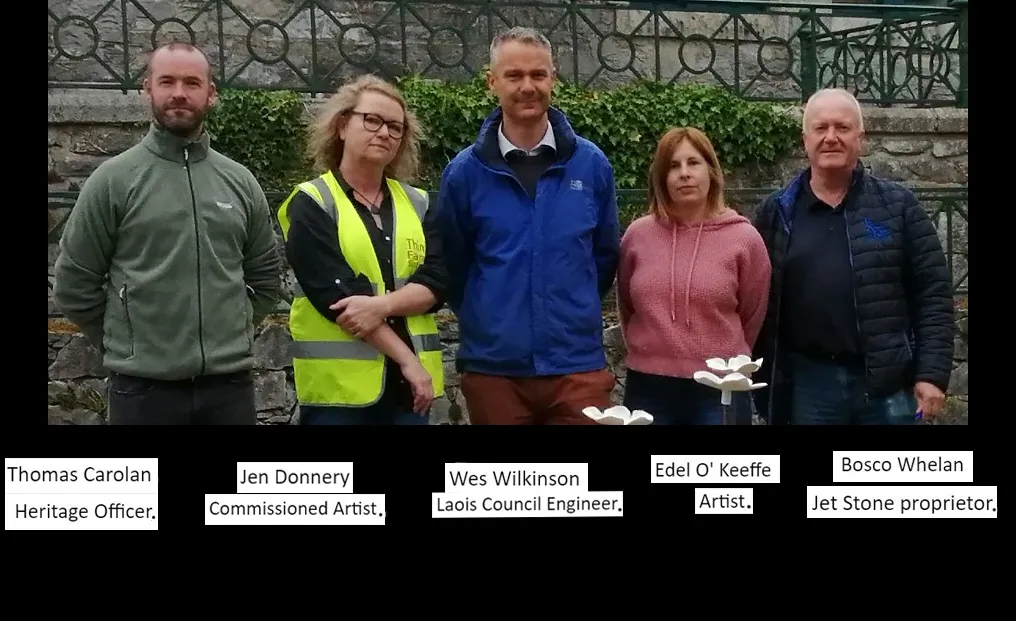
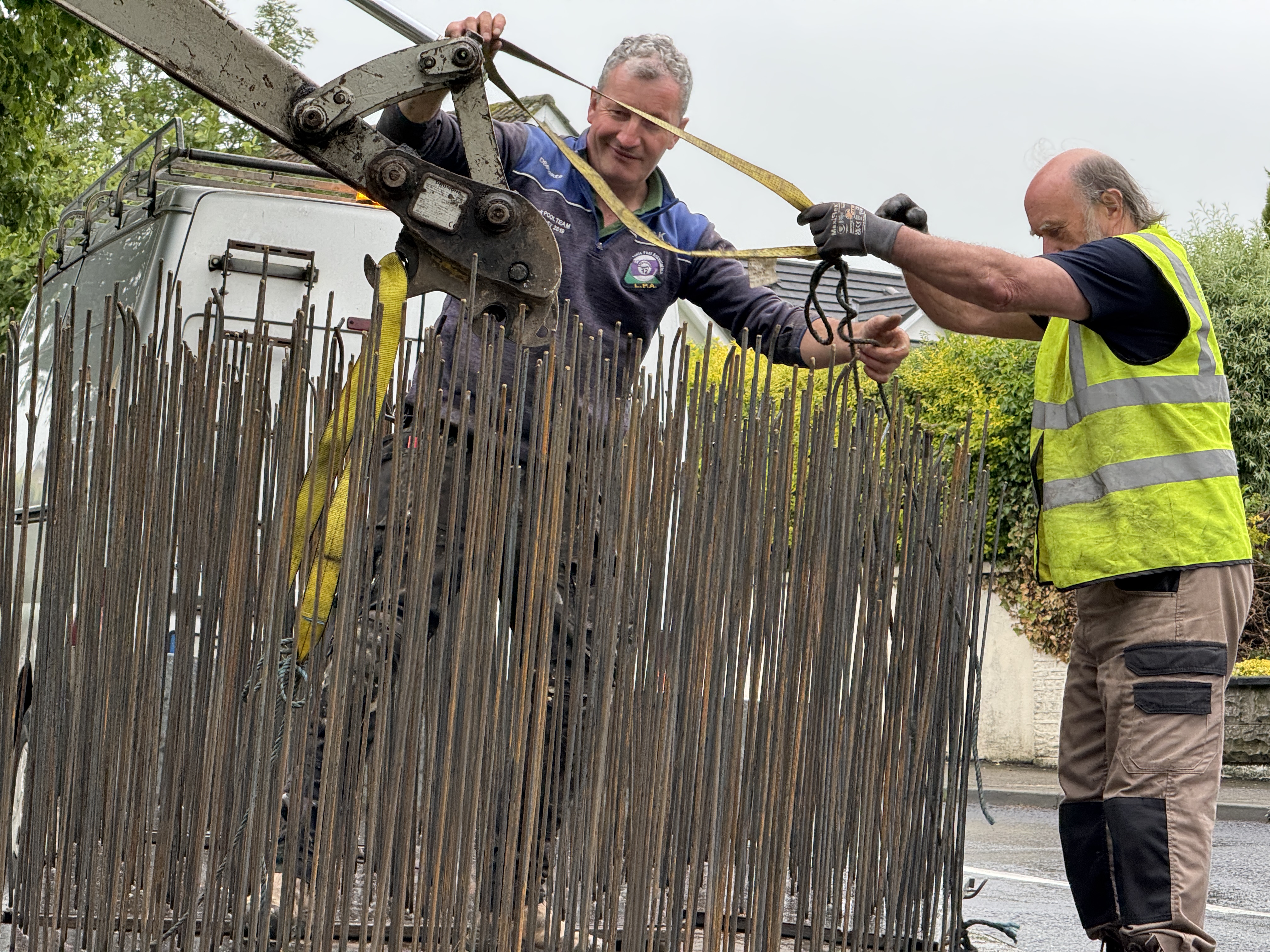
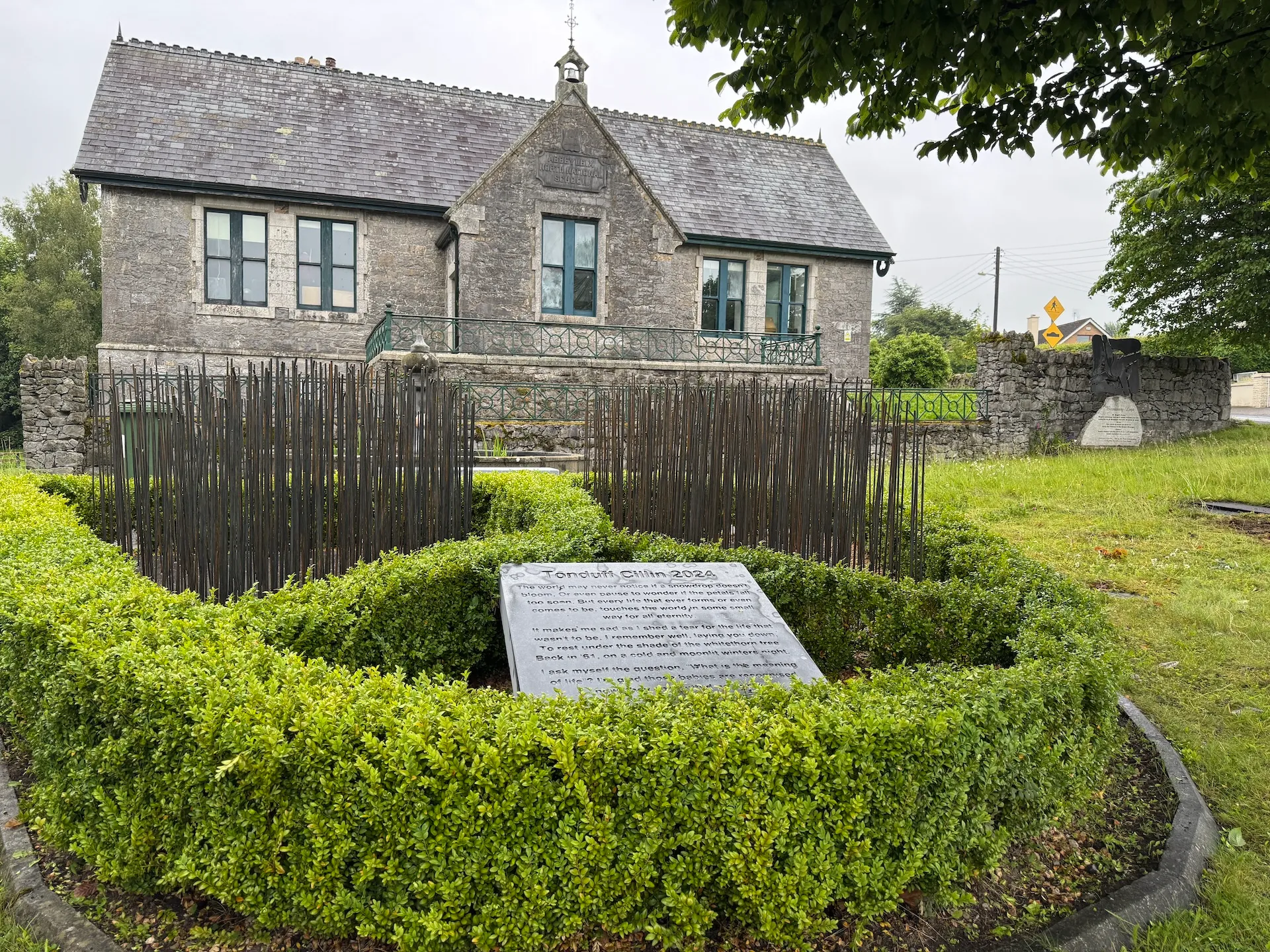
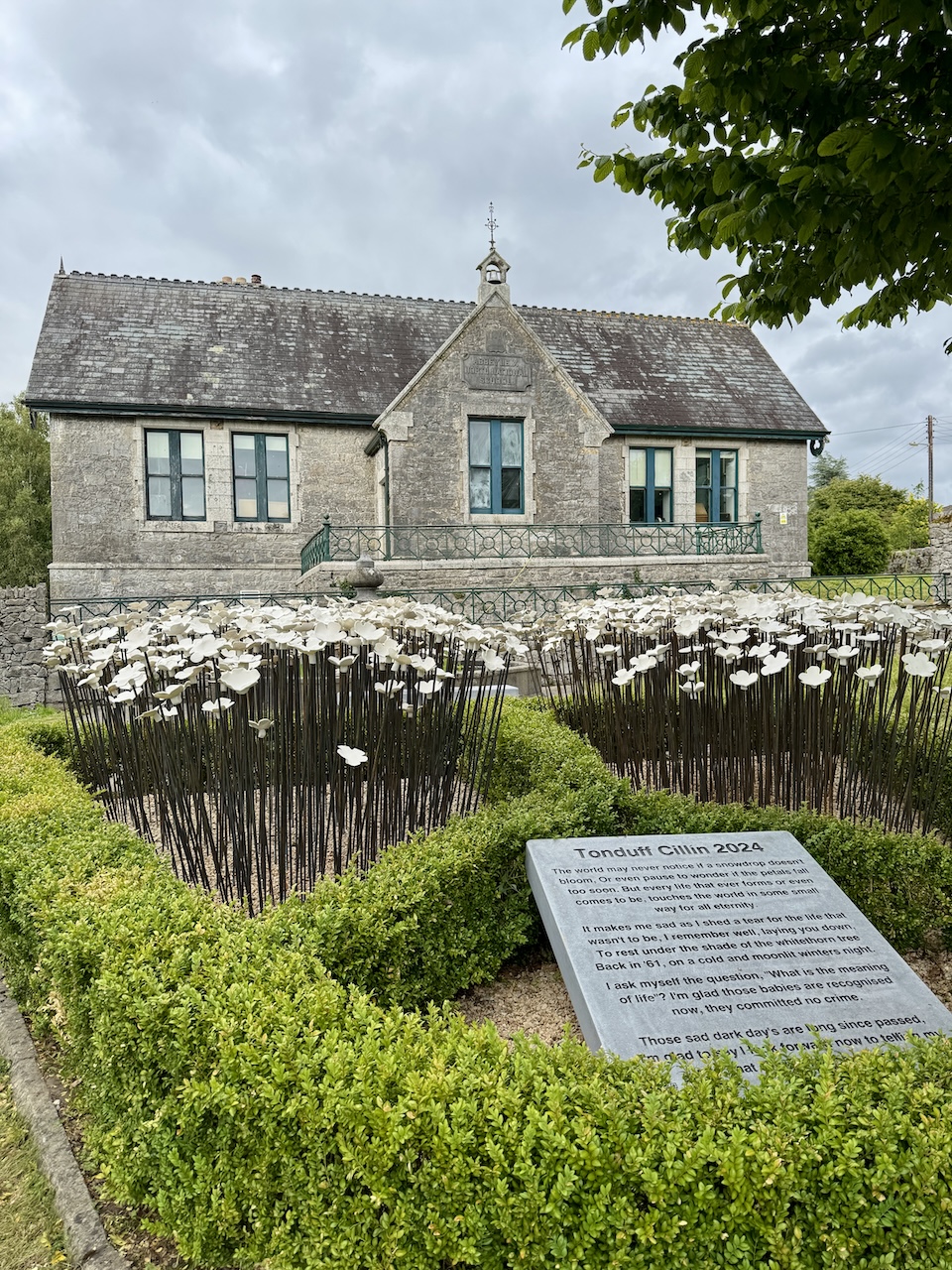
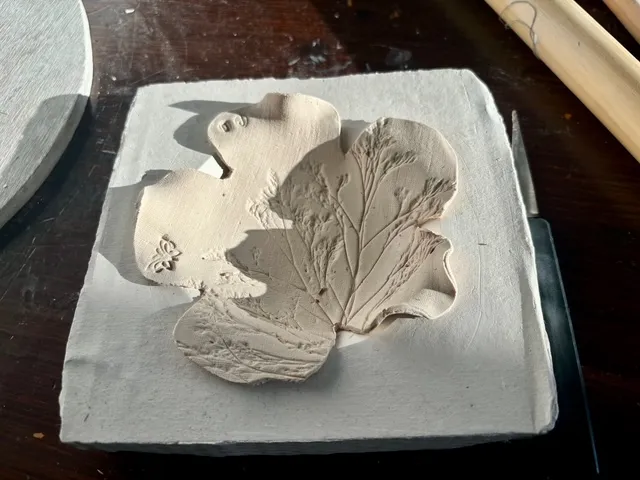
At the heart of the Remembrance garden at the Heritage House Abbeyleix stands a commissioned sculpture, designed by artist Jen Donnery & Edel O'Keefe and constructed by steel artist Tom Delahunty. Crafted from nearly 1,000 twisted steel rods, the structure mimics the form and movement of a whitethorn tree, a symbol deeply embedded in Irish folklore and long associated with cillíní, babies, and the spirit world. Each steel branch is tipped with a white ceramic flower, every flower represents a baby, a memory, or a private grief making the sculpture a living, breathing memorial shaped by collective love and healing.

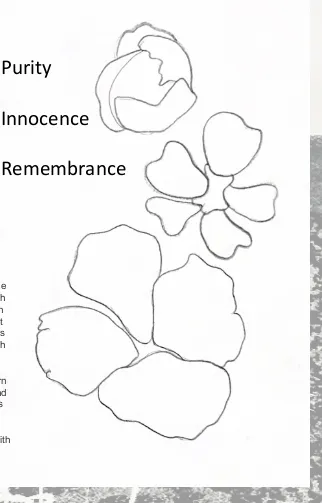

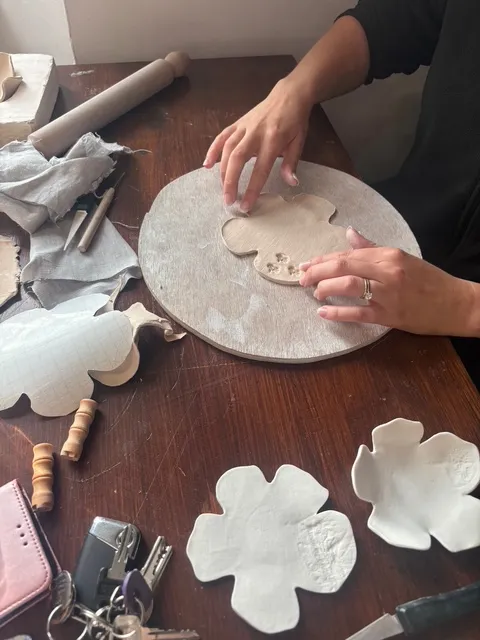
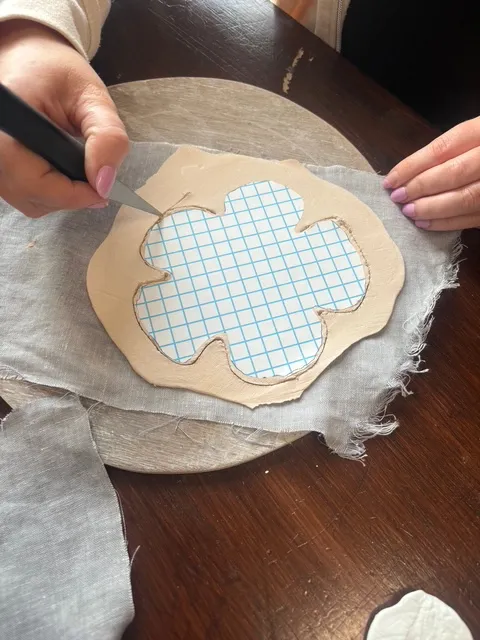
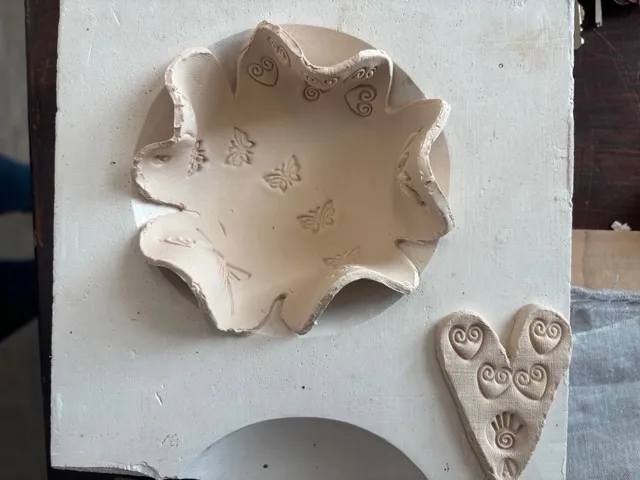
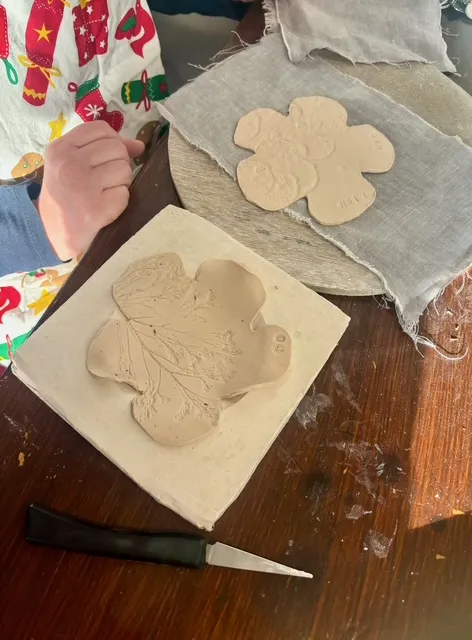
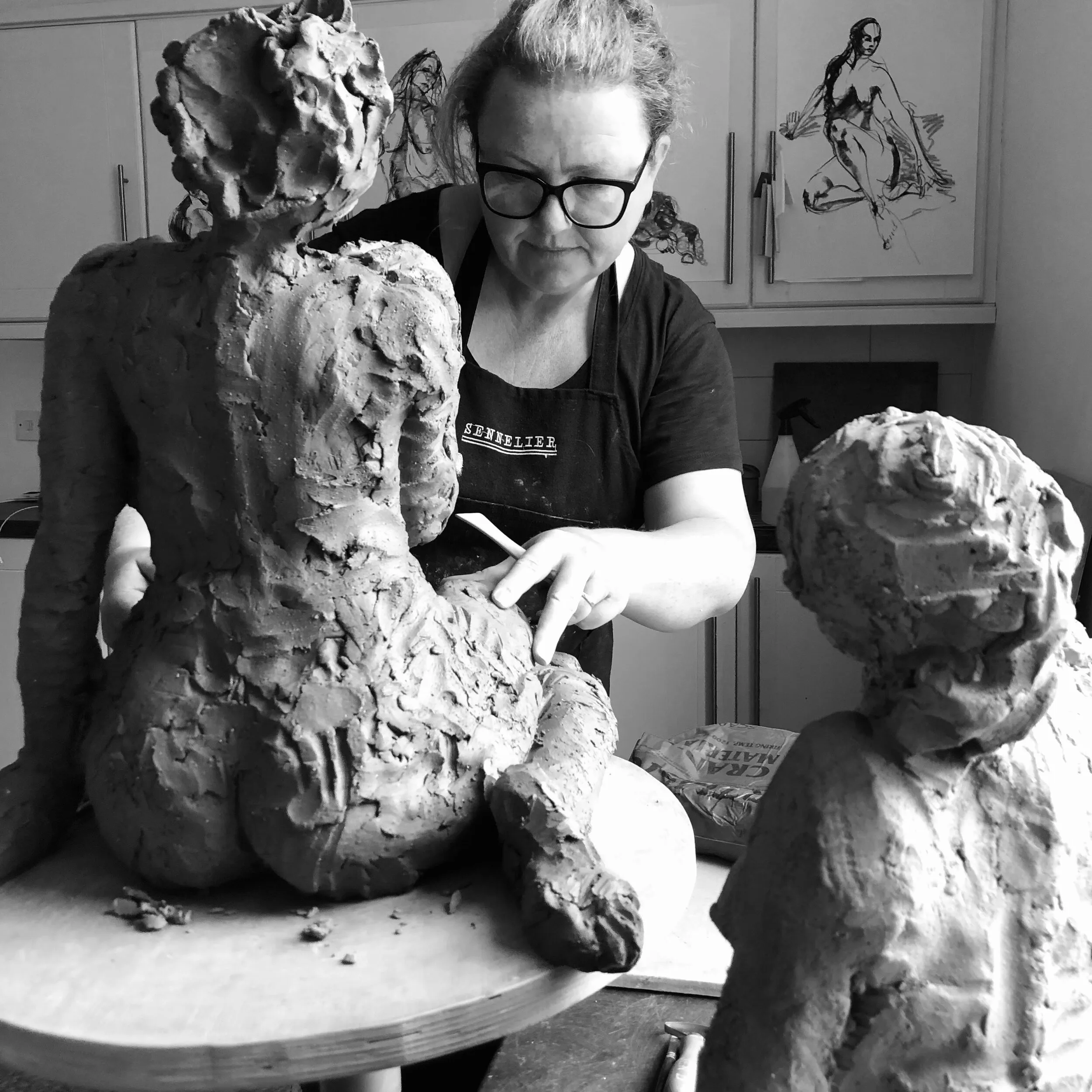
As part of the Remembrance Garden project, a public workshop was held at Abbeyleix Heritage House, inviting members of the community including those with a personal connection to baby loss to create handmade ceramic flowers for inclusion in the final sculpture. Each flower was shaped with care, becoming a quiet expression of remembrance, grief, and hope.
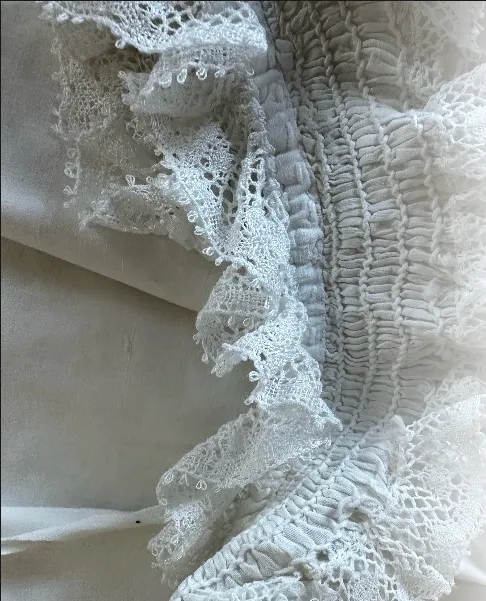
Drawing inspiration from the Abbeyleix Baby Linen Society, founded in 1845 by Lady Emma Vesey to provide clothing and bedding to expectant mothers on the De Vesci estate, the artists incorporated a meaningful historical reference into the design. Archival research from Abbeyleix House was used to develop an embroidery pattern, drawn from these original linens. This pattern will be featured on a single petal of each ceramic blossom, symbolising both the baptismal ceremony and the garments once worn by grieving mothers a quiet, enduring tribute to love, loss, and care.

This project could not have been completed without the unwavering generosity of our local community, sponsors, and volunteers. From the very first fundraiser to the final stone laid, every act of kindness has helped honour the babies buried at Tonduff and bring healing to those affected by their silent loss. We extend heartfelt thanks to those who donated, stitched, sculpted, dug, painted, cleaned, and remembered.
Special thanks to our artists Jen Donnery and Edel O'Keefe and to the sponsors listed below and many local businesses and families whose contributions both large and small will ensure this space continues to speak for generations to come.
Thanks to community volunteers, the Tonduff Cillin has been restored. The stone cross remains, and efforts continue to ensure its preservation. It stands as both a memorial and a warning that such injustices must not be repeated.
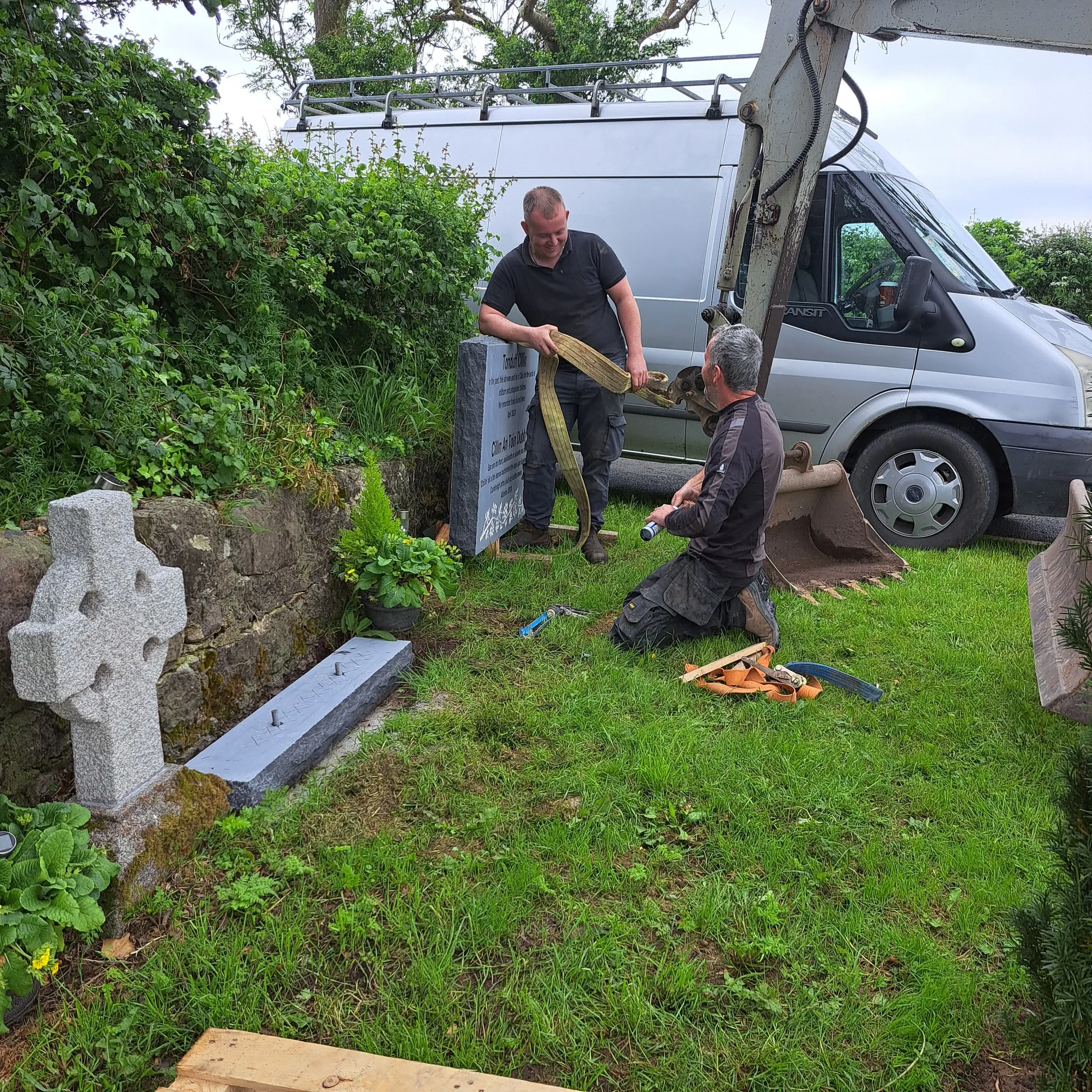
At the heart of the Tonduff Cillín site now stands a newly erected limestone plinth, inscribed in both Irish and English. Simple yet powerful, it serves as a permanent tribute to the babies laid to rest here in silence, and to the families who carried their grief unseen.
Blessed by Fr. Paddy Byrne during a special Mass in April 2024, the plinth honours not only those buried at Tonduff, but all unbaptised babies across Ireland who were denied a place in consecrated ground. Its presence transforms the once unmarked field into a place of visible remembrance one that invites reflection, compassion, and healing.
This memorial now stands alongside the original unscripted Celtic stone cross, connecting past efforts to today’s commitment to remembrance. Together, they mark a shift from silence to acknowledgment, from hidden sorrow to community recognition.
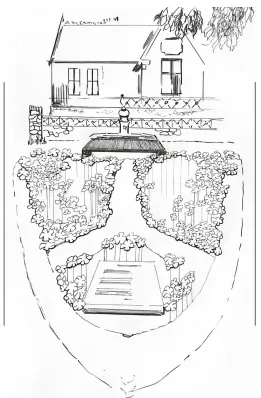
Located at the front of Abbeyleix’s Heritage House, the Remembrance Garden offers a peaceful space for families and visitors to reflect on the babies who were once buried in silence. Created with care by the Tonduff Cillín Committee and supported by the Mothers of Angels group, the garden acknowledges loss before, during, or after birth and extends compassion to all who carry those memories.
This garden is not only a place of stillness, but also of solidarity. It welcomes everyone especially those who never had a space to grieve. Visitors are invited to pause, speak their baby’s name aloud, or find comfort in knowing that they are not alone.
The world may never notice if a snowdrop doesn’t bloom
Or even pause to wonder if the petals fall too soon
But every life that ever forms or even comes to be
Touches the world in some small way for all eternity
It makes me sad as I shed a tear for the life that wasn’t to be
I remember well, laying you down,
To rest under the shade of the white thorn tree
Back in '61, on a cold and moonlit Winter’s night
I ask myself the question, “What is the meaning of life”?
I’m glad those babies are recognised now, they committed no crime
Those sad dark day’s are long since passed, I’m glad to say
I look forward now to telling my wife, that everything now is okay.
Anonymous
The Tonduff Cillín Committee adapted this poem from the words of a local man who remembers this site, and the painful memories it holds even today. The words of this poem are inscribed on a piece of natural stone that will be available for the public to read and reflect on when they visit this Cillín.


.webp)

.webp)
.webp)

.webp)
.webp)
.webp)